 by
by Philadelphia, as the cradle of American history and culture, is home to a wealth of historic landmarks and world-class art destinations, making it a paradise for culture enthusiasts. From the site where the Declaration of Independence was signed to its world-renowned art museums, the city’s deep cultural heritage is reflected in every building and piece of art. My personal experience has only confirmed that Philadelphia is not only a place to learn about American history, but also an ideal city to experience the fusion of artistic innovation and historical legacy.
1. Independence Hall
Why visit?
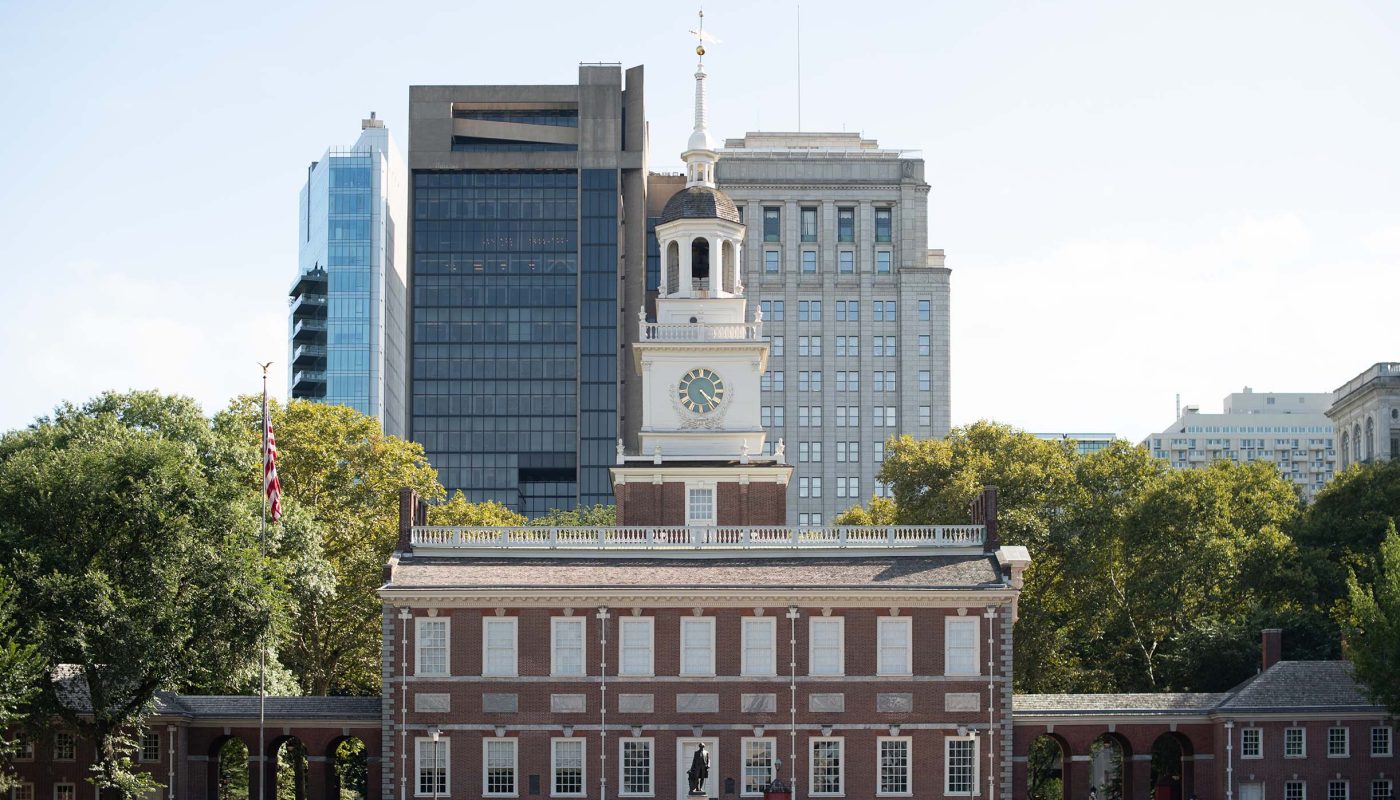
As the place where the Declaration of Independence was signed, Independence Hall is not only the heart of American history, but also a symbol of freedom and independence. Here, you can still feel the echoes of historical moments, with every brick and every stone telling the story of America’s founding, its greatness and struggles. Whether you’re a history enthusiast or simply curious about the origins of America, Independence Hall is unmissable. It is the birthplace of liberty and has witnessed many significant historical events.
Opening hours & ticketing:
- Open year-round: Summer (May to September) from 9:00 AM – 7:00 PM; Winter (October to April) from 9:00 AM – 5:00 PM.
- Tickets: Free admission but require advance reservations, especially during peak tourist seasons. You can reserve tickets online through the Independence Hall website or pick them up at the visitor center. I recommend booking online in advance, as tickets are limited, especially in high season.
Transportation:
Independence Hall is located in Independence National Historical Park in downtown Philadelphia, making it very accessible. The nearest subway station is 5th Street/Independence Hall, served by the Blue and Orange lines. There are also multiple bus routes nearby, making transportation very convenient.
My experience:
Standing in front of Independence Hall, I was deeply moved by the historical significance of the building. As sunlight streamed onto the bricks, it felt as though time had reversed, and I could imagine the great figures of the past engaging in intense debates and writing feverishly. Inside, when the guide led us into the room where the Declaration of Independence was signed, I felt a surge of emotion. The room still preserves 18th-century furniture and decorations, with an old wooden table and heavy papers on the desk, as if bearing witness to a moment of passion and confusion in history.
I particularly remember standing by the window and looking out onto the bustling street, reflecting on how people from centuries ago made a decision here that would change the world. The echoes of history seemed to come from the walls of the building, and every inch of the land had witnessed a pivotal moment in American independence.
Though today it is a historical museum, I felt that Independence Hall was more than just a tourist site. It made me reflect not only on the past but on the true meaning of freedom and independence. Every stone, every column, carries a great ideal. For me, Independence Hall was not just a tourist attraction; it was a place to experience the spirit of freedom and independence—an uplifting journey for the soul.
In summary, Independence Hall is a place where history education and spiritual enlightenment converge. Whether you’re delving into American history or simply wanting to feel the atmosphere of a momentous historical event, it offers an unparalleled experience.
2. Liberty Bell
Why visit?
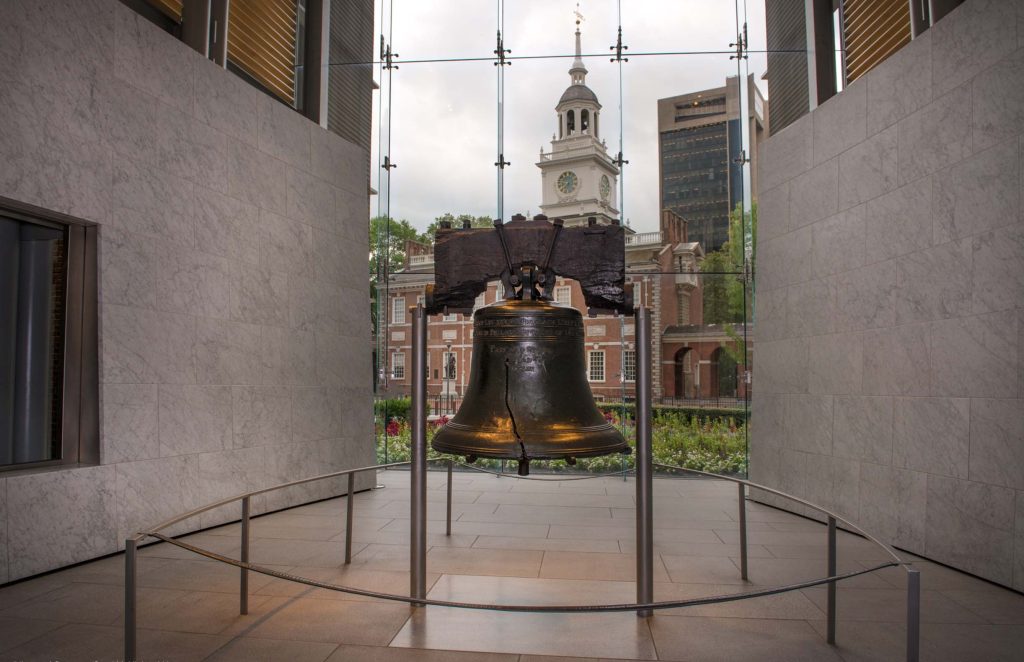
The Liberty Bell is one of the symbols of American independence, famously ringing on July 4, 1776, to proclaim the nation’s independence. Even though the bell now bears a prominent crack, it remains a symbol of freedom and democracy. Standing before the Liberty Bell, you can feel a deep sense of history, as if the sound of that powerful toll still echoes in your ears, reminding everyone of the value of freedom and independence.
Opening hours & ticketing:
- Open year-round: Summer (May to September) from 9:00 AM – 7:00 PM; Winter (October to April) from 9:00 AM – 5:00 PM.
- Admission: Free entry; no ticket required. You can visit the Liberty Bell Center directly. However, due to its popularity, especially during peak seasons, you may need to wait in line, so it’s best to plan your visit accordingly.
Transportation:
The Liberty Bell is located next to Independence Hall, so it is easy to walk there. The 5th Street/Independence Hall subway station (Blue and Orange lines) is just a 5-minute walk away, and several bus routes also pass by, making it convenient to visit.
My experience:
Standing before the Liberty Bell, I felt an indescribable sense of excitement. The deep crack in the bell seemed to embody the weight and glory of American history. Even though it no longer rings with the same clarity, it stands there, holding the great significance of America’s pursuit of freedom and independence. I closed my eyes, imagining hearing the bell toll on that historic day, echoing throughout the streets of Philadelphia.
The Liberty Bell is more than just a historical relic; its symbolism of freedom continues to inspire people around the world. The Declaration of Independence proclaimed equality and freedom for all, and this bell, like the spark of freedom, burns brightly in people’s hearts. Standing there, I couldn’t help but think about how precious today’s freedom and democracy are, as if I was personally moved by the weight of history.
Looking around, I noticed other visitors taking photos and leaving messages, all of them gazing at the bell in reverence. Everyone seems to be reflecting on the significance of freedom and independence. For me, the Liberty Bell is not just a bell, but a bridge connecting the past and future.
The Liberty Bell is a must-visit historical landmark in Philadelphia, leaving a profound impact and offering inspiration. Whether you’re a history enthusiast or someone deeply moved by the ideals of freedom and democracy, this place will make you feel the timeless power of liberty.
3. Philadelphia Museum of Art
Why visit?
The Philadelphia Museum of Art is not only one of the most famous museums in the U.S., but also a world-class repository of art treasures. Its collection includes numerous masterpieces from both European and American artists, covering a range of styles from ancient to modern art. Particularly noteworthy are its Impressionist and Post-Impressionist works, including Van Gogh’s Starry Night, Monet’s Water Lilies, and Picasso’s pieces. These works provide an unmatched artistic experience, offering insight into the minds of the artists. Additionally, the museum’s famous Rocky Steps (as seen in the movie Rocky) have become a pilgrimage site for movie fans, attracting countless visitors to recreate the iconic running scene.
Opening hours & ticketing:
- Closed on Mondays; open Tuesday to Saturday from 10:00 AM – 5:00 PM, and Sunday from 10:00 AM – 5:00 PM.
- Admission: $25 for adults, $14 for students, $23 for seniors (65+), free for children under 18. The museum offers free admission on the first Sunday of each month (10:00 AM – 5:00 PM). Additionally, first-time visitors can opt for a Pay-What-You-Wish admission, which offers more flexibility for entry.
Transportation:
The museum is located about 20 minutes on foot from downtown Philadelphia, making it a great spot for those who enjoy walking. Alternatively, you can take bus lines 48 or 32 or subway (Red Line to 25th Street Station), making the museum easily accessible.
My experience:
Walking into the Philadelphia Museum of Art, I was immediately drawn to its rich artistic atmosphere. The spacious and well-lit galleries were filled with different styles of artwork, almost as if I had entered the temple of art. Here, I experienced not only the beauty of the pieces but also a deep understanding of history, culture, and thought.
Monet’s Water Lilies stood before me, and I found myself transfixed. The colors of the water’s surface and the tranquil ambiance seemed to transport me into the painting. I finally understood why Monet is regarded as the representative of Impressionism—his mastery over light and color creates an emotional experience beyond mere visual beauty.
Standing in front of Van Gogh’s Starry Night, I felt an indescribable awe. His unique brushwork and the swirling night sky conveyed his deep perception of the universe and his boundless love for life. The vivid blues and yellows seemed to pulse with life, and I was drawn into his emotional world, feeling as if I, too, had become part of the painting.
Of course, I couldn’t leave without climbing the famous Rocky Steps. Reenacting the scene from the movie, I ran up the steps and reached the top, where I could look out over the city of Philadelphia. I felt a surge of inspiration, as though I were embodying the passion and struggle portrayed in the film.
The Philadelphia Museum of Art is not just a place to view art; it is a spiritual experience, offering insight into history, culture, and emotion. Each piece moves the soul, and every detail prompts reflection on the meaning of life. Whether you’re an art lover or a movie fan, this museum offers an unforgettable experience.
4. Museum District
Why visit?
The Museum District in Philadelphia is the cultural heart of the city, home to numerous world-class museums, including the Franklin Institute, Drexel University’s Natural History Museum, and the Barnes Foundation. Each museum offers unique charm and historical value, with exhibits spanning from science and natural history to art, allowing visitors to gain a comprehensive understanding of the city’s cultural heritage. Whether you’re interested in natural science or passionate about art, the Museum District offers a rich array of experiences.
Opening hours & ticketing:
- Franklin Institute: Monday to Saturday from 10:00 AM – 5:00 PM, Sunday from 12:00 PM – 5:00 PM. Adult tickets: $23, Children: $19.
- Drexel University’s Natural History Museum: Tuesday to Saturday from 10:00 AM – 5:00 PM, Sunday from 12:00 PM – 5:00 PM. Adult tickets: $22, Children: $19.
- Barnes Foundation: Wednesday to Monday from 10:00 AM – 5:00 PM. Adult tickets: $25, Student tickets: $14, Free for children under 18.
Transportation:
Located in the Fairmount area, the Museum District is easily accessible via the Museum Station (Red Line), or by bus (lines 10, 32). The district is ideal for a walking tour.
My experience:
I spent an entire day exploring the Museum District, from natural history to art, and each exhibition offered a new perspective and experience. At the Barnes Foundation, I was captivated by the Post-Impressionist and Modern Art collections.
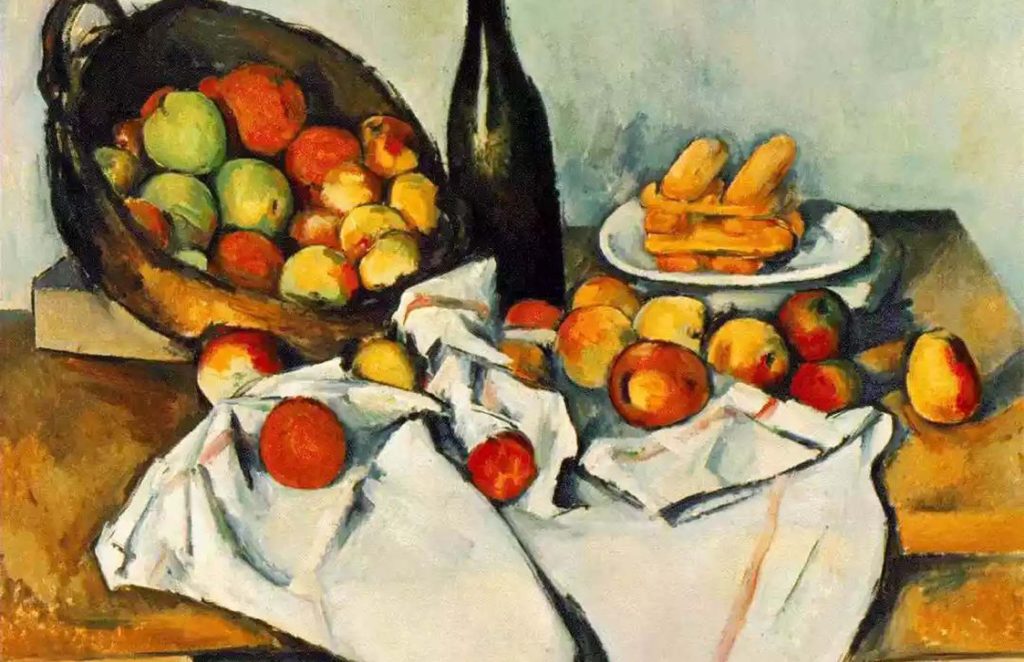
In front of Cézanne’s Basket of Apples, I couldn’t tear my eyes away. His bold strokes and the depth and texture of the simple apples made me rethink the power of artistic expression. Each item on the canvas was infused with subtle nuances that gave the ordinary objects profound meaning.
The Dance at Le Moulin de la Galette by Renoir also left a lasting impression. The vibrant colors and lively figures under the sun made me feel the vitality of life through the canvas, a testament to Impressionism’s celebration of fleeting moments.
At the Franklin Institute, I explored exhibits about Benjamin Franklin’s scientific experiments. I was particularly fascinated by his work with electricity, imagining the historic moments when Franklin flew a kite during a thunderstorm. These exhibits brought me into conversation with this great founding figure, feeling the scientific spirit of the 18th century.
I also visited Drexel University’s Natural History Museum, where the dinosaur fossils and displays of human evolution deepened my understanding of Earth’s natural history. The mighty Tyrannosaurus rex fossil was particularly breathtaking—its towering frame and lifelike recreations gave me a sense of the awe-inspiring creatures that once roamed our planet.
The Museum District is brimming with culture, with each museum telling its own story through its exhibits. Whether you’re immersed in the wonders of natural science or exploring creative expression through art, the Museum District offers a deeply enriching cultural experience. Through its exhibitions, the district allows you to connect with the city’s past while gaining insight into its vibrant future.
5. Street Art and Mural Tour
Why visit?
Philadelphia is not just about history and museums; its street art is equally captivating. The city’s murals and street art capture the unique cultural atmosphere of Philadelphia, particularly in the South Street area and the Mural Arts Program. Many of these artworks are connected to the city’s history and community, offering a colorful and vivid glimpse into its social issues and cultural vibrancy.
Opening hours & ticketing:
Street art is free to view, but if you want to join a guided mural art tour, tickets cost about $20 (for guide services).
Transportation:
You can take the subway (Blue Line to 9th Street Station) or buses (lines 45, 47) to reach the South Street area and nearby streets.
My experience:
On South Street, I encountered a series of vibrant murals, each telling the story of Philadelphia’s history, culture, and social challenges. These street artworks complement the city’s historical landmarks, reflecting Philadelphia’s identity as a place of innovation and inclusion.
Philadelphia’s cultural experience goes beyond museums and historic sites; every spot in the city is interconnected with history and art. From the Liberty Bell as a symbol of independence to the world-class art collection at the Philadelphia Museum of Art and the lively expression of street art, the city showcases the perfect fusion of history and creativity. With its convenient public transportation system, a cultural tour of Philadelphia is an unforgettable journey.